 |
 |
 |
 |
 |
 |
 |
 |
 |
|||
 |
 |
|
|||||||
 |
|||||||
 |
|||||||
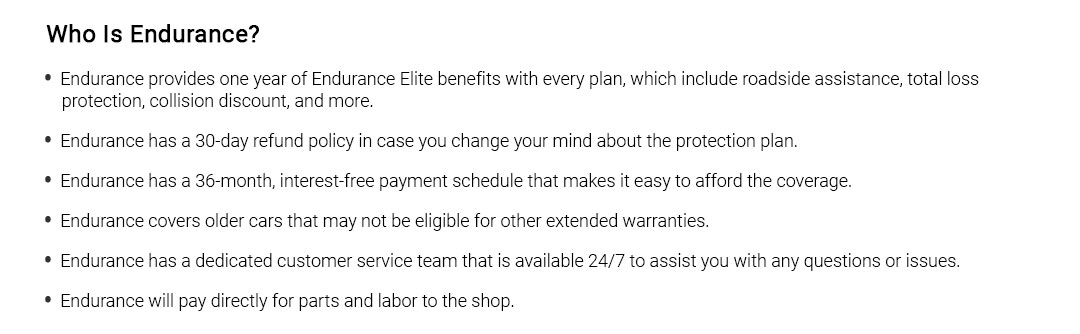 |
|||||||
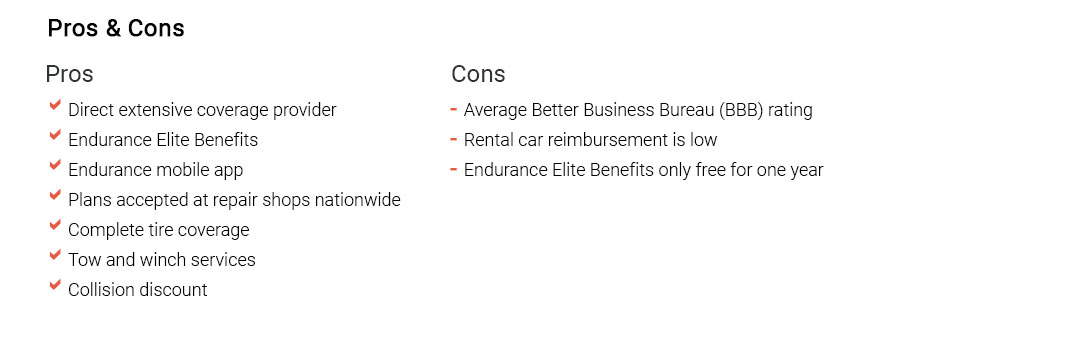 |
|||||||
|
|||||||




|
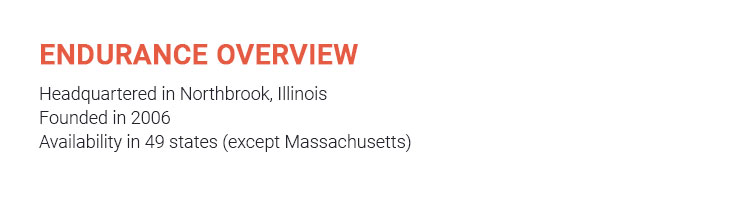
||||||
 |
||||||
 |
||||||
 |
||||||
|





 |
 |
 |
 |
 |
 |
 |
auto repair service insurance explained from the shop floorI work between the lift posts and the claims desk, where decisions turn wrenches faster than any impact gun. Policies look abstract on paper; in a live bay, they decide whether a car rolls out today or waits three more. Coverage, simplified without fluffFor drivers: collision and comprehensive can fund repairs after an impact, theft, or hail; mechanical breakdown insurance (MBI) covers internal failures; warranties handle defects; roadside plans handle towing. One note: I used to lump MBI under "comprehensive" - small correction - MBI is separate and you either have it or you don't. For shops: general liability protects premises risks; garagekeepers covers customer vehicles under our care; commercial auto covers road tests; workers' comp covers tech injuries; cyber covers DMS breaches. Different puzzle, same goal: keep the workflow moving. Myths vs facts I see weekly
Decision first, paperwork secondFast outcomes happen when we decide the repair path up front. Indecision invites storage fees and parts delays.
Where delays creep in (and how we block them)
A quick Tuesday sceneCarla called from a grocery lot, coolant steaming. Her policy had towing and MBI. We pulled the car in, documented the water pump play, uploaded photos and the DTC printout, and asked for a teardown OK. Approval hit in 42 minutes. Parts arrived next morning; she left by 3 p.m. I almost told her every case moves that fast - truth is, that speed came from clean evidence and one decisive call. For shop owners: selecting the right protection
Underinsuring is quiet until a customer's car is keyed in the lot or a lift fails a seal. Overinsuring is loud every month. Balance by inventory, nightly car count, and your claim history. Questions to ask before you authorize
Efficiency habits that save daysWe timestamp everything, bundle evidence, and communicate once with all parties copied. Earlier I implied every adjuster wants photos first; small correction - some will accept scan reports as primary evidence, but including both keeps momentum. Decisions made early keep the lift occupied and your week predictable. Bottom lineDecide the coverage, document the facts, and schedule only after parts are real. That's how auto repair service insurance stops being a hurdle and becomes part of a smooth, efficient exit from the bay.
Main Topic:
Car Warranty Insurance
https://www.selective.com/for-businesses/businesses-we-insure/auto-care-and-service
Auto repair shop insurance from Selective can help you and your mechanics navigate the unique risks of fixing cars and other vehicles. https://www.insureon.com/auto-services-business-insurance/repair-mechanics
What types of insurance do repair shops and mechanics need? - General liability insurance - Business owner's policy - Commercial auto insurance - Workers' ... https://www.xinsurance.com/risk-class/auto-repair-garages/
Protect your auto repair shop with reliable and comprehensive coverage solutions from XINSURANCE. Make the smart choice for your business and request a quote ...
|
